

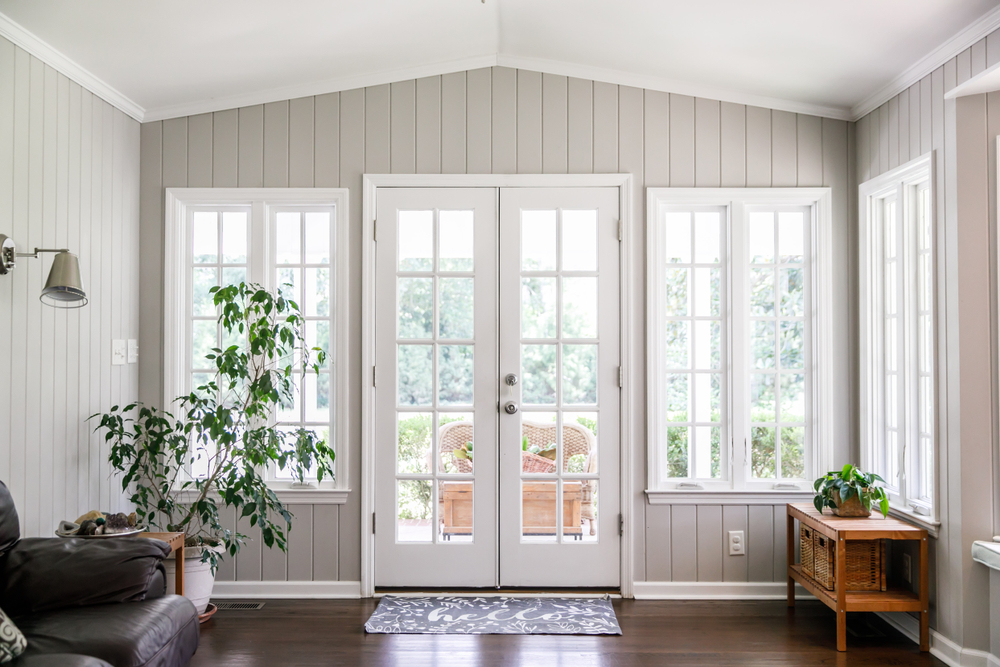
In Northern Virginia, we experience the full spectrum of the seasons, from humid, mosquito-heavy summers to biting winter winds. While we all crave more natural light, a standard deck often leaves us trapped indoors for half the year. If you have been dreaming of a space that brings the outdoors in, you have likely encountered the big debate: Should you choose a three-season or a four-season sunroom? The choice is not just about your budget. It is about how you want to live. At Outlast Design + Build, we specialize in creating custom enclosures that look like they were built with the original house. Here is everything Stafford homeowners need to know to choose the right season for their lifestyle.
For homeowners in Stafford, Fredericksburg, and Prince William County, the decision between a three-season room vs four-season room comes down to comfort, engineering, and long-term value. Both options enhance your outdoor living space enclosure, but they serve different purposes depending on how often you want to use the room and how integrated you want it to feel with the rest of your home.
Understanding the Core Difference: Seasonal vs Year-Round Living Space
At its most basic level, the difference between a three-season room vs four-season room lies in insulation and climate control. A three-season room is designed to be enjoyed during spring, summer, and fall. It shields you from mosquitoes, rain, and heavy humidity, but it is not built to withstand freezing temperatures without additional heat sources.
A four-season room, on the other hand, is engineered to function as a true year-round living space. It feels like a seamless extension of your home. You can comfortably use it during a Stafford snowstorm or on a hot July afternoon without relying on portable heaters or fans.
For families needing a flex room that doubles as a playroom, home office, or gym, the distinction is critical. If you envision using the space daily regardless of weather, a four-season room provides the insulation and structural performance necessary to maintain comfort throughout the year.
Structural and Glass Differences That Matter in Virginia’s Climate
Virginia weather demands thoughtful engineering. A three-season room often uses single-pane glass and aluminum framing without thermal break technology. This keeps Northern Virginia sunroom costs more accessible for homeowners who primarily want extended outdoor enjoyment. However, without a thermal break, aluminum frames conduct heat and cold easily. That means the room may become chilly in winter and warm in peak summer.
In contrast, a four-season room incorporates thermally broken frames. Thermal break technology places an insulating barrier within the frame itself, reducing heat transfer. This prevents the metal from acting as a bridge for outdoor temperatures to flow inside.
Glass selection is equally important. A three-season room may feature standard single-pane panels, which are sufficient for moderate weather. A four-season room uses energy-efficient sunroom glass such as double-pane Low-E glass filled with argon gas. This advanced glazing reflects heat in summer and retains warmth in winter, dramatically improving energy performance.
Floor construction also differs. Insulated flooring for sunrooms is essential in a four-season design. Proper subfloor insulation ensures that cold air does not rise through the floor during the winter months. Combined with insulated walls and roofing systems, this creates a fully conditioned environment that feels like part of the original structure.
HVAC Integration and True Climate Control
One of the defining features of a four-season sunroom is HVAC integration for sunrooms. Without proper heating and cooling, even the best insulation cannot maintain consistent comfort year-round.
Outlast Design + Build offers two primary options for true four-season functionality. The first is connecting the sunroom directly to your home’s existing HVAC system. This allows the new space to benefit from central heating and air conditioning, ensuring seamless temperature control.
The second option is installing a high-efficiency mini-split system. These systems provide independent heating and cooling, allowing you to control the sunroom’s climate separately from the rest of the house. For homeowners concerned about energy usage, a mini-split offers flexibility and efficiency.
Three-season rooms typically do not include built-in HVAC. Some homeowners use portable heaters or ceiling fans for temporary comfort. However, during extreme cold or heat, the space may not be practical for extended use.
For remote workers in Stafford who want a bright home office that stays warm during winter storms, HVAC integration transforms a sunroom from a seasonal retreat into a daily living space.
Design + Build Advantage: Making It Look Original
Adding a sunroom is not just about glass and framing. It is about architectural harmony. A poorly designed addition can look like an afterthought. That is where the Design + Build model makes a significant difference.
Outlast handles everything from initial architectural drawings to final electrical hookup. This integrated approach ensures that the roofline, siding, and trim match your existing home perfectly. Whether your property features traditional brick in Fredericksburg or modern siding in Prince William County, the goal is a seamless transition between old and new.
Custom sunroom builders in Stafford must also account for structural load, drainage, and code compliance. Proper permitting and engineering protect your investment and prevent long-term issues. When the sunroom feels like it was built with the original house, it enhances both daily enjoyment and resale value.
ROI and Appraisal: What Adds Official Square Footage?
For savvy investors and homeowners thinking about long-term returns, the classification of the space matters. A three-season room is often considered a porch enclosure. While it adds lifestyle value and enhances curb appeal, it may not be counted as official livable square footage during appraisal.
A four-season room, built with full insulation, HVAC connectivity, and energy-efficient sunroom glass, is typically recognized as true livable space. That distinction can influence home addition ROI in Virginia significantly.
Because a four-season room functions as part of the conditioned interior, it often contributes directly to appraisal value. Buyers view it as a flexible extension of the home rather than a seasonal bonus area. In competitive Northern Virginia markets, additional livable square footage can impact both listing price and buyer interest.
When evaluating Northern Virginia sunroom costs, it is important to consider not just upfront investment but long-term equity. A three-season room may offer a lower initial cost. A four-season room may offer stronger long-term appreciation and year-round utility.
Choosing the Right Season for Your Lifestyle
So how do you decide? If your goal is to enjoy spring breezes without mosquitoes and host fall gatherings with panoramic views of your backyard, a three-season room may be ideal. It extends your outdoor living space enclosure without the higher cost of full insulation and HVAC integration.
If you want a permanent home office, gym, or family room that remains comfortable through winter snow and summer humidity, a four-season sunroom is the better choice. Its structural engineering, insulated flooring, and double-pane Low-E glass create a true extension of your home.
In Stafford and the surrounding areas, climate should always guide the decision. Virginia’s winters are cold enough to make a non-insulated room uncomfortable. Summers are humid enough to require effective cooling. Understanding how often you will use the space helps determine whether seasonal or year-round living space makes sense.
Which Sunroom Season Will Add the Most Value to Your Life and Your Home?
Choosing between a three-season room vs four-season room is not just a construction decision. It is a lifestyle decision that affects how often you use the space, how comfortable it feels in January and July, and how it contributes to your property value long term.
For homeowners in Stafford, Fredericksburg, and Prince William County who want a beautiful bug-free retreat in spring and fall, a three-season enclosure delivers extended outdoor enjoyment at a lower entry cost. For families who need a true flex room that stays warm during a Stafford snowstorm and cool during humid Virginia summers, a four-season room with thermally broken frames, double-pane Low-E glass, insulated flooring, and HVAC integration becomes real livable square footage.
When designed and built through a full Design + Build process, your sunroom will not look like an add-on. It will look original. And that architectural harmony, combined with year-round functionality, is what drives long-term home addition ROI in Virginia.
The right choice is not about the number of seasons on paper. It is about how you plan to live in the space for the next 10, 20, or 30 years.