

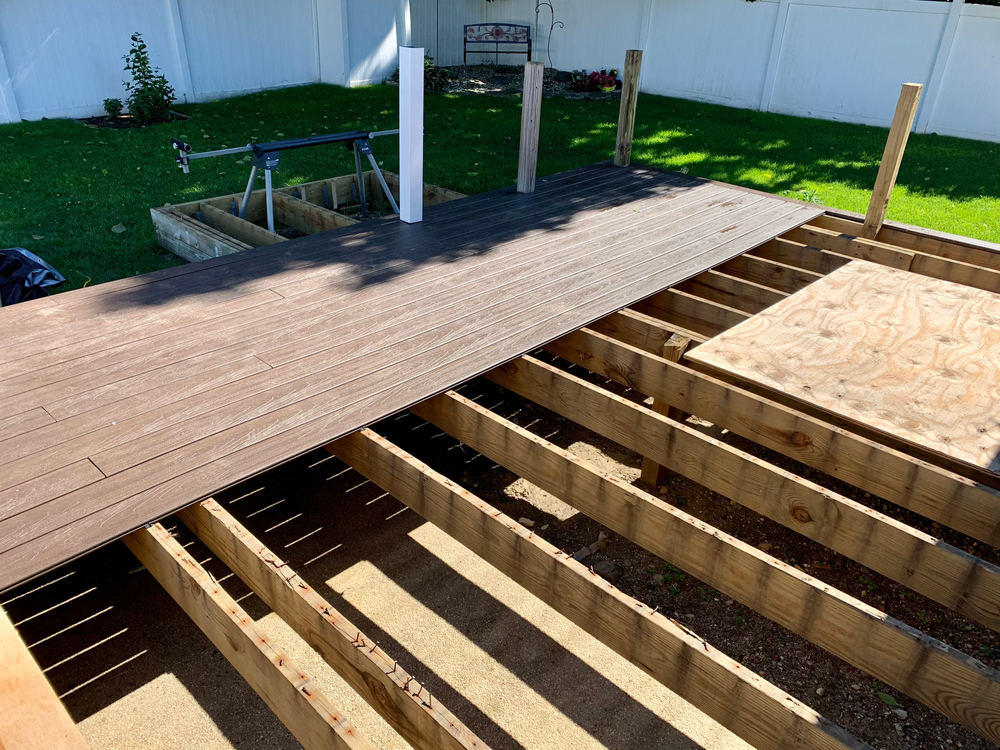
Choosing the right decking material is one of the most important decisions a homeowner in Orange County can make when planning a backyard renovation or new outdoor living space. With the region’s sunny climate, moderate rainfall, and year-round outdoor lifestyle, your deck needs to offer both beauty and durability. As homeowners weigh the pros and cons of composite vs wood decking in Orange County, a clear understanding of performance, cost, appearance, and maintenance requirements will guide the best choice for their lifestyle and property value.
Climate Considerations in Orange County
Orange County’s Mediterranean climate influences how decking materials perform over time. Mild winters, hot summers, and exposure to coastal air in some areas present challenges that homeowners need to address. Wood decking has long been the traditional choice for California homes, offering a natural aesthetic that blends with lush landscaping and a coastal vibe. However, wood is vulnerable to the elements. Prolonged sun exposure can cause fading and cracking, while moisture from ocean air or poolside environments can lead to warping or rot if not properly maintained.
Composite decking was developed to solve many of the issues associated with wood. Composed of wood fibers and recycled plastics, composite boards are engineered for resistance to moisture, UV rays, and termites. In a region like Orange County where decks are used frequently and often exposed to harsh sun and salty air, composite decking offers a durable, stable alternative that minimizes long-term upkeep. Whether your home is inland or near the coast, considering how materials perform under local conditions is essential when selecting the best decking material in California.
Cost Over Time: Investment vs. Maintenance
Initial cost is often a major factor for homeowners when deciding between wood decking or composite decking. Pressure-treated lumber or redwood options typically have a lower upfront cost than composite. This can make wood attractive for those looking to build a deck on a tight budget. However, the long-term cost equation becomes more complex once maintenance is factored in.
Wood decking requires frequent upkeep, including annual staining, sealing, and cleaning. Without proper maintenance, the deck may splinter, fade, or suffer from insect damage. Over a span of 10 to 15 years, the cumulative cost of these maintenance tasks often surpasses the higher initial cost of composite decking. In contrast, composite decking is one of the most popular low maintenance decking options available. It requires only occasional cleaning with soap and water and resists the common issues that plague natural wood.
Homeowners in Orange County who plan to stay in their homes for many years may find that the long-term savings and convenience of composite decking outweigh the initial investment. On the other hand, for short-term homeowners or those looking to refresh a property for resale, wood can still be a practical and visually appealing solution if maintained well.
Appearance and Style Preferences
The aesthetic appeal of your deck plays a key role in your overall landscaping and design. Wood remains a favorite for its classic, warm look. Each board features unique grain patterns and color variations that add richness and authenticity. In California, redwood and cedar are commonly used for their natural resistance to decay and their elegant hues that blend well with desert, coastal, and tropical design schemes.
Composite decking, while once criticized for its manufactured appearance, has made significant strides in replicating the texture and look of real wood. Modern composite boards are available in a wide range of colors, textures, and finishes that mimic hardwoods with impressive realism. For homeowners with a specific color scheme or design vision, composite offers consistency and versatility that is difficult to achieve with natural wood.
Another visual consideration is how each material ages. Wood may change color over time, developing a silver patina unless regularly sealed or stained. Some homeowners love this weathered look, while others prefer the consistent color and finish that composite provides year after year. Ultimately, the choice between wood decking or composite decking will depend on the homeowner’s personal style, the home’s architecture, and the desired maintenance level.
Installation and Performance in Use
The deck installation process is another area where differences between composite and wood become apparent. Wood is easier to cut and shape using standard tools, which can result in lower labor costs if the design is complex. Skilled contractors in Orange County are well-versed in wood deck construction, and replacement boards or repairs are relatively straightforward with traditional materials.
Composite decking requires specialized installation techniques to allow for expansion and contraction due to temperature changes. Boards are often fastened using hidden clip systems that create a clean, screw-free surface. While this may slightly increase installation time and cost, the result is a sleek and professional finish that adds value to the home.
In terms of day-to-day performance, composite decking edges out wood in several key categories. It resists splintering, which makes it safer for children and pets. It also does not absorb stains from food, drinks, or sunscreen as easily as wood can. For high-traffic areas or homes that entertain frequently, composite provides a reliable and easy-to-clean surface that holds up well over time.
Sustainability and Environmental Impact
For eco-conscious homeowners, evaluating the environmental footprint of decking materials is becoming increasingly important. Wood decking, especially when responsibly harvested from sustainable forests, can be a renewable resource. However, treatments used to preserve wood and prevent decay may contain chemicals that can leach into the soil or water over time.
Composite decking, on the other hand, often contains recycled materials, including plastics and wood fibers. By diverting waste from landfills and reducing the demand for virgin timber, many composite brands position themselves as environmentally friendly options. The manufacturing process does require energy and resources, but the long lifespan and low maintenance requirements of composite can make it a greener option over the full life cycle of the deck.
In Orange County, where environmental awareness and sustainable living are valued by many homeowners, both materials can be chosen responsibly depending on the brand and specific product. Researching certifications such as FSC (Forest Stewardship Council) for wood or third-party environmental impact reports for composite can help guide an informed decision.
Conclusion
When evaluating composite vs wood decking in Orange County, the decision ultimately comes down to lifestyle priorities, budget, design preferences, and long-term plans for the home. Wood offers natural beauty and a traditional feel that many homeowners still love, especially when budget is a consideration and regular maintenance is not an issue. Composite decking, with its durability, ease of care, and modern aesthetic, has emerged as a favorite among those seeking low maintenance decking options that stand up to Orange County’s climate.
Whether you’re planning a complete backyard transformation or a simple upgrade, working with experienced deck installation professionals in Orange County can help ensure your choice delivers both function and beauty for years to come. By carefully weighing the pros and cons of each material, homeowners can select the best decking material in California for their unique space, ensuring comfort, style, and lasting value.
Need Home Restoration Services Near You?
At Outlast Design + Build, we take pride in helping Virginia homeowners bring their dream exteriors to life. Whether you’re envisioning a custom deck, a welcoming porch, or a complete home addition, our licensed and insured family-owned team is here to make it happen with expert craftsmanship and genuine care. We handle everything—from stunning outdoor transformations to smooth insurance claim assistance—so you can focus on enjoying your upgraded home. Let’s create a space that lasts. Contact us today to start your project, explore our portfolio, or schedule a consultation to experience the Outlast Design + Build difference!